Training your pet to use a pet door safely is a journey that requires patience, understanding, and a thoughtful approach. It’s not just about teaching a new skill; it’s about fostering confidence and ensuring your furry friend feels secure while gaining independence. Many pet owners see a pet door as a simple convenience, but for the animal, it can be a significant change to their environment and routine. The process, when done correctly, can strengthen the bond between you and your pet, providing them with a sense of autonomy while keeping them safe.
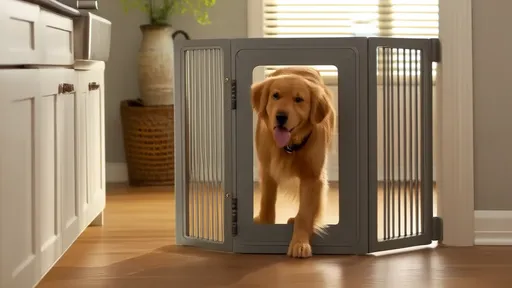
Before you even introduce the pet door, it’s crucial to choose the right one. Not all pet doors are created equal, and selecting one that suits your pet’s size, strength, and your home’s security needs is paramount. Measure your pet carefully—height and width—to ensure they can pass through comfortably without getting stuck. Consider the type of door as well; there are manual flaps, electronic models that open only for pets wearing a special collar tag, and even ones with locking mechanisms for added safety. The material of the flap matters too; softer, flexible flaps are less intimidating for hesitant pets, while more rigid ones might offer better insulation. Placement is another key factor. Install the door in a location your pet already frequents, like near their favorite resting spot or the area they usually wait by when they want to go outside. Avoid high-traffic human areas to prevent accidents and make the transition feel natural for them.
The initial introduction should be a positive and pressure-free experience. Leave the pet door locked in the open position initially, or if it’s a flap model, securely tape it open. This allows your pet to investigate the new hole in the wall or door without the scary movement or sound of the flap. Encourage their curiosity by tossing their favorite treats or toys through the opening. Let them walk through it freely, associating the passage with good things. Use a cheerful, encouraging tone of voice. The goal here is to make the pet door seem like a gateway to fun and rewards, not an obstacle or something to be feared. This stage might take a few hours or a few days, depending on your pet’s temperament. Never force them through; let them set the pace.
Once your pet is comfortably walking through the open doorway without hesitation, you can introduce the concept of the flap. Un-tape it but hold it open for them, encouraging them to pass through while you support the flap. Continue to use treats and praise lavishly. After several successful passes with you holding it, let the flap swing freely but gently. You might need to demonstrate yourself. Get down on your hands and knees and push through the flap, showing them it’s safe. Pets, especially dogs, often learn by mimicking. You can also have a family member or another pet that already knows how to use a door demonstrate on the other side, creating a social cue that it’s okay to follow.
For many pets, the moment the flap touches their back or head can be startling. This is the most common point of hesitation. To overcome this, practice makes perfect. Stand on one side of the door with a high-value treat—something irresistible like a small piece of chicken or cheese. Have another person gently guide your pet from the other side, or call them through enthusiastically. The first few times they push through and feel the flap, immediately reward them with the treat and exuberant praise. This positive reinforcement directly links the action of pushing through the flap with an extremely positive outcome. Repeat this drill in short, frequent sessions to build muscle memory and confidence.
Safety is the non-negotiable cornerstone of this entire process. An improperly trained pet or a poorly chosen door can lead to injuries or escape attempts. Always supervise the training sessions. Never leave your pet unsupervised with access to the pet door until you are absolutely certain they are proficient and comfortable using it. This is especially critical for electronic doors; ensure your pet is always wearing the activation collar or tag when they are expected to use the door, and that the batteries are functional. Be mindful of their tail, paws, or long fur getting caught in the mechanism. Regularly inspect the door for any wear and tear that could create sharp edges or a malfunctioning lock. Furthermore, consider the safety of what lies beyond the door. Is your yard fully secured with a fence? Are there potential hazards like a busy road, toxic plants, or pools? The pet door grants them access, so you must be confident the environment they are accessing is safe.
Some pets will take to the new door like a duck to water, while others may need extra reassurance. Older pets or those with previous negative experiences might be more cautious. For these animals, patience is your greatest tool. Don’t show frustration. If they seem stressed, take a break and go back a step in the training process. You can also try using a pheromone spray designed to calm pets around the frame of the door to create a more relaxing association. Kittens and puppies might be more agile but also more easily frightened. Keep sessions very short and incredibly positive for young animals.
Ultimately, successfully training your pet to use their new door is incredibly rewarding. It provides them with the freedom to relieve themselves, enjoy the sunshine, or come inside for comfort on their own schedule, which can significantly reduce anxiety and accidents for pets left alone during the day. It’s a gift of independence that, when given with care and responsibility, enhances their quality of life and deepens the trusting relationship you share. The time and effort invested in these careful steps will pay dividends for years to come, making your home a more comfortable and convenient place for every member of the family, including the four-legged ones.

By /Aug 20, 2025
By /Aug 20, 2025

By /Aug 20, 2025
By /Aug 20, 2025
By /Aug 20, 2025
By /Aug 20, 2025
By /Aug 20, 2025
By /Aug 20, 2025

By /Aug 20, 2025

By /Aug 20, 2025

By /Aug 20, 2025
By /Aug 20, 2025
By /Aug 20, 2025

By /Aug 20, 2025
By /Aug 20, 2025
By /Aug 20, 2025

By /Aug 20, 2025
By /Aug 20, 2025
By /Aug 20, 2025
By /Aug 20, 2025