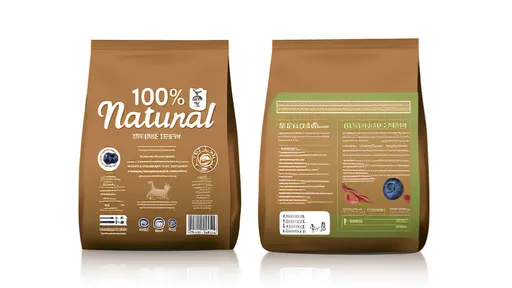
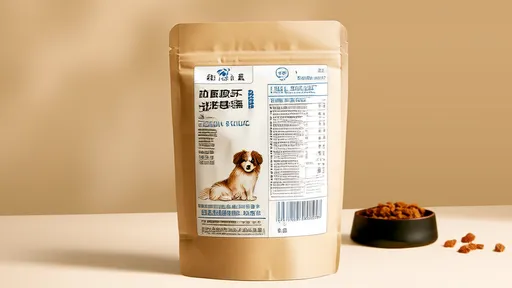
Choosing the right treats for your furry companion goes far beyond picking the cutest packaging or the most enticing marketing claims. With shelves overflowing with options and new products launching constantly, it has become increasingly challenging for pet owners to discern which snacks truly benefit their animal's health and which might be hiding undesirable ingredients. The single most powerful tool at your disposal in this selection process is not an advertisement or a brand name, but the often-overlooked ingredient panel on the back of the package. Learning to read and interpret this list is an essential skill for any responsible pet guardian.
The order of ingredients on a pet food or treat label is dictated by weight, with the heaviest components listed first. This is your first critical clue. You should aim for treats where a high-quality source of animal protein, such as deboned chicken, salmon, or lamb, is the very first item. This indicates that the treat is primarily composed of the nutritious meat your carnivorous dog or cat needs. Be immediately wary of products that list a carbohydrate like corn, wheat, or soy as the first ingredient. While not inherently evil in small amounts, these fillers offer less nutritional density and are often used by manufacturers as a cheap way to bulk up a product.
One of the most common pitfalls is the presence of vague or generic meat terms. An ingredient listed simply as "meat meal" or "animal by-products" is a major red flag. These terms are catch-alls that can come from a variety of unnamed sources and are often of significantly lower quality than specified meats. Instead, look for clearly identified meals like "chicken meal" or "lamb meal". A named meal is simply meat that has been rendered and dried, concentrating the protein. It is a highly nutritious ingredient, so long as you know exactly which animal it came from.
Another area requiring scrutiny is the list of artificial additives. Many commercial treats are loaded with synthetic preservatives to extend their shelf life for years. Chemicals like BHA (Butylated Hydroxyanisole), BHT (Butylated Hydroxytoluene), and ethoxyquin are controversial and have been linked to potential health concerns in some studies. A much safer bet is to seek out treats preserved with natural alternatives like mixed tocopherols (a form of Vitamin E), rosemary extract, or citric acid. Similarly, artificial colors and flavors serve no nutritional purpose for your pet. They are added solely to make the product more appealing to you, the human buyer. Does your dog care if his biscuit is a perfect shade of red? Unlikely. Avoid treats with dyes like Red 40, Blue 2, and Yellow 5.
The sugar content in pet treats is a growing concern, mirroring the issues in human food. Sugar, corn syrup, molasses, and other sweeteners are frequently added to palatability, making treats addictive so pets will keep coming back for more. However, these empty calories contribute directly to obesity, diabetes, and dental problems. There is absolutely no dietary requirement for added sugars in a dog or cat's diet. Be especially cautious with "jerky" style treats and dental chews, as they are notorious for containing high levels of these unnecessary sweeteners.
For pets with sensitive stomachs or known allergies, the ingredient list is your best friend. Common allergens for dogs include beef, dairy, wheat, egg, chicken, lamb, soy, and pork. If your pet experiences itching, digestive upset, or ear infections, a close examination of their treat ingredients might reveal the culprit. The rise of limited-ingredient treats, which contain a single novel protein source and a single carbohydrate, has been a boon for owners of allergic pets. These products simplify the identification of trigger ingredients and help avoid unpleasant reactions.
Finally, consider the treat's intended purpose. A rich, high-calorie training reward used for teaching new commands is different from a daily dental chew or a low-calorie "just because" snack. Always factor the calorie content of treats into your pet's overall daily caloric intake to prevent weight gain. Veterinarians generally recommend that treats should make up no more than 10% of a pet's total daily calories. Over-treating, even with high-quality snacks, can lead to an unbalanced diet and obesity-related health issues.
Becoming an expert label reader empowers you to make informed decisions that directly impact your pet's vitality and longevity. It allows you to see past clever marketing and focus on what truly matters: the contents of the bag. By prioritizing whole, identifiable proteins, avoiding mysterious by-products and artificial additives, and saying no to added sugars, you can confidently select snacks that supplement your pet's diet healthfully. This mindful approach transforms treat time from a potential gamble into an opportunity to reinforce your pet's well-being, one wholesome bite at a time.

By /Aug 20, 2025
By /Aug 20, 2025
By /Aug 20, 2025

By /Aug 20, 2025

By /Aug 20, 2025

By /Aug 20, 2025
By /Aug 20, 2025

By /Aug 20, 2025

By /Aug 20, 2025
By /Aug 20, 2025
By /Aug 20, 2025

By /Aug 20, 2025
By /Aug 20, 2025

By /Aug 20, 2025

By /Aug 20, 2025

By /Aug 20, 2025
By /Aug 20, 2025

By /Aug 20, 2025

By /Aug 20, 2025

By /Aug 20, 2025