Creating a comfortable and safe environment for your pet after surgery is one of the most important steps you can take to ensure a smooth and successful recovery. The transition from the veterinary clinic back to the home can be stressful for both the animal and the owner, but with careful preparation, you can significantly ease this process. The goal is to minimize your pet’s stress, prevent injury to surgical sites, and provide a calm space that encourages rest and healing. This involves thoughtful consideration of the physical space, the necessary supplies, and the adjustments to your daily routine.
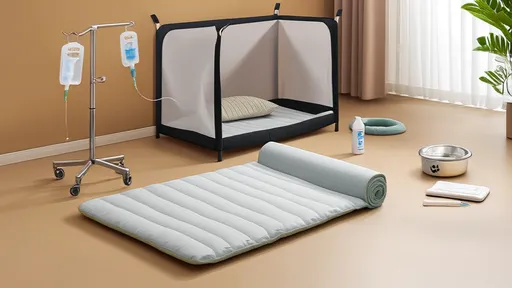
Before your pet even arrives home, it is crucial to prepare the recovery area. Choose a quiet, low-traffic room in your house where your pet can rest without being disturbed by other animals, children, or general household noise. A spare bedroom, a large bathroom, or a secluded corner of the living room can work well. The space should be easy to clean, as accidents can happen, especially if your pet is disoriented from anesthesia or on medications. Lay down old towels, blankets, or waterproof pads to protect your flooring. Ensure the room is at a comfortable temperature—not too hot and not too cold—as pets can have difficulty regulating their body temperature post-operatively.
The centerpiece of this recovery space will be a comfortable and supportive bed. Orthopedic or memory foam beds are excellent choices as they provide extra cushioning for sore joints and bodies. The bed should be placed in a draft-free area, away from direct sunlight or air conditioning vents. For larger dogs or pets with mobility issues, consider a bed with bolsters or sides to help them feel secure and provide something to lean against when trying to get up. For smaller animals, a cozy crate or carrier with soft bedding can create a den-like atmosphere that makes them feel safe and enclosed.
Safety is paramount during this vulnerable time. Thoroughly pet-proof the designated recovery room. Remove any objects your pet could trip over, chew on, or otherwise injure themselves with. Electrical cords, small toys, and toxic plants should be taken out of the area entirely. If your pet is required to wear a cone (Elizabethan collar) or a surgical suit to prevent licking or biting at stitches, have this ready before they get home. It is also wise to block off stairs with a baby gate to prevent any attempts to climb, which could lead to a dangerous fall and serious injury to the surgical site.
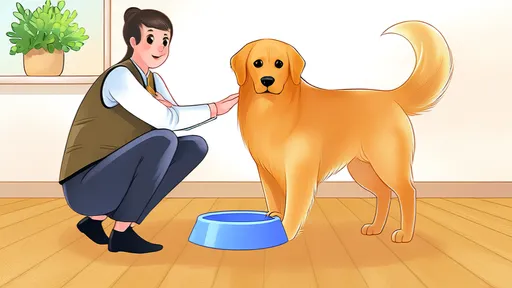
Access to fresh water is essential, but you must make it easily accessible without requiring your pet to move too much. Place a water bowl very close to their bed. For larger dogs that might spill a standard bowl, a weighted, non-spill bowl is a good investment. You might even consider offering water from a syringe or a shallow dish if your pet is having trouble bending down. Your veterinarian will provide specific instructions regarding food, but generally, a light, bland meal is best for the first evening home. Have their food ready in a nearby bowl, but do not be alarmed if they show little interest in eating for the first 24 hours; this is a common side effect of anesthesia and pain medication.
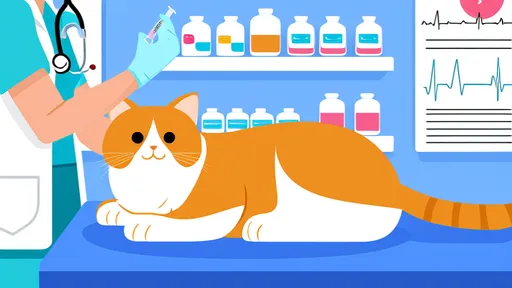
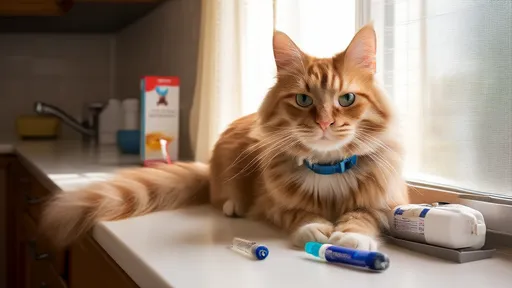
Managing your pet’s pain and keeping them calm is a continuous process. Your vet will prescribe pain medication, and it is critical to administer it exactly as directed. Do not skip doses, as it is much harder to control pain that has already escalated than it is to manage it proactively. Create a medication schedule and set alarms to ensure you never miss a dose. In addition to pharmaceutical pain relief, environmental calmness contributes greatly to their comfort. Keep the lights dimmed, speak in soft, soothing tones, and play gentle music or white noise to mask startling sounds from outside the room.
Restricted movement is often a key component of post-operative care. Your vet will likely advise strict crate rest or confinement to a small area for a period of time. This can be challenging, especially for active animals, but it is non-negotiable for proper healing. To prevent boredom and mild anxiety, you can provide mental stimulation. This does not mean energetic play, but rather calm activities. Food puzzle toys that dispense small treats, a familiar item that carries your scent like an old t-shirt, or simply sitting quietly with them and offering gentle pets (if they want them and it doesn’t disturb their incision) can be very comforting.
Hygiene and incision care are areas where your diligence will directly impact healing. You must check the surgical site at least twice a day for signs of infection, such as redness, swelling, discharge, or an unpleasant odor. Keep the area clean and dry as per your vet’s instructions. Do not allow your pet to lick or chew the stitches or staples. If they are resisting the cone, a surgical suit or an inflatable donut-style collar might be a more comfortable alternative that still protects the wound. Be prepared for occasional accidents. Have a supply of pet-safe enzymatic cleaner on hand to properly clean any urine or stool, eliminating odors that might encourage repeat incidents.
Finally, the most valuable thing you can provide is your calm and patient presence. Your pet will be looking to you for cues on how to feel. If you are anxious and stressed, they will sense it and become more anxious themselves. Your quiet reassurance is a powerful medicine. Monitor them closely, but also allow them periods of uninterrupted sleep. Keep a log of their eating, drinking, bathroom habits, and medication times; this information will be incredibly useful for your follow-up vet visits. Remember, this period of confinement and care is temporary, but your efforts during this critical time will pave the way for a full return to health and happiness.

By /Aug 20, 2025
By /Aug 20, 2025

By /Aug 20, 2025

By /Aug 20, 2025

By /Aug 20, 2025

By /Aug 20, 2025
By /Aug 20, 2025
By /Aug 20, 2025
By /Aug 20, 2025
By /Aug 20, 2025

By /Aug 20, 2025
By /Aug 20, 2025
By /Aug 20, 2025

By /Aug 20, 2025

By /Aug 20, 2025

By /Aug 20, 2025

By /Aug 20, 2025

By /Aug 20, 2025

By /Aug 20, 2025

By /Aug 20, 2025