Introducing a family pet to young children is a delicate process that requires thoughtful preparation and ongoing supervision. Many parents assume that because animals are often naturally gentle, the interaction will automatically be harmonious. However, the reality is that both pets and children operate on instinct and curiosity, which can sometimes lead to misunderstandings or even accidents. The goal is not merely to have them coexist but to foster a relationship built on mutual respect and understanding. This journey begins long before the first face-to-face introduction and continues as both the child and the pet grow and learn about each other's boundaries and behaviors.
Before any interaction occurs, it is crucial to assess the pet's temperament and past experiences. An animal that has had little exposure to children may react with fear or anxiety, while one that has had negative encounters might display aggression. It is equally important to consider the child's age and maturity level. A toddler, for instance, does not yet understand how to be gentle and may pull tails or ears, whereas an older child can be taught to approach calmly. The initial step is always to ensure that the pet is in good health and up-to-date on vaccinations to mitigate any risks. Consulting with a veterinarian or a professional animal behaviorist can provide valuable insights tailored to your specific situation.
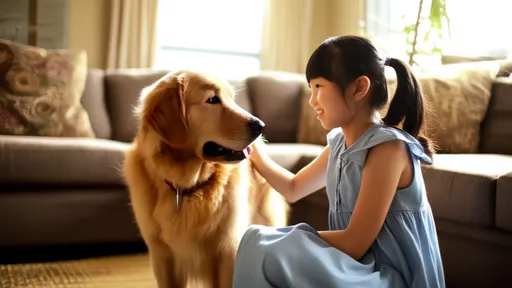
Creating a safe and controlled environment for the first meeting is paramount. Choose a neutral space where the pet feels comfortable but not territorial. The home living room or a quiet backyard can be ideal settings. Have another adult present to help manage the interaction—one to focus on the child and the other on the pet. Keep the pet on a leash or behind a baby gate initially to allow both parties to observe each other without direct contact. This controlled approach helps prevent overwhelming either the child or the animal, setting the stage for a positive experience.
During these early interactions, it is essential to model calm behavior. Children often look to their parents for cues on how to react, so maintaining a relaxed demeanor can help ease any tension. Speak in soft, reassuring tones to both the child and the pet. Encourage the child to stay still and let the pet approach first if it feels comfortable. This empowers the animal to initiate contact on its terms, reducing the likelihood of fear-based reactions. Reward both the child and the pet for calm and gentle behavior with praise or treats, reinforcing positive associations.
Education plays a critical role in fostering a safe relationship. Teach children how to read basic animal body language—for example, a wagging tail in dogs can indicate excitement but also overstimulation, while flattened ears or a tucked tail might signal fear. Explain that pets, like people, have good days and bad days and need their space. Use simple, relatable terms such as "gentle hands" and "quiet voice" to make the lessons accessible. Role-playing scenarios can be an effective tool, allowing children to practice patting a stuffed animal softly or calling the pet without yelling.
Supervision must be constant, especially in the beginning stages. Even the most well-behaved pet and child can have moments of miscommunication. Never leave them alone together until you are absolutely confident in their relationship, which could take months or even years depending on the individuals involved. Watch for signs of stress in the pet, such as panting, whining, or attempting to move away, and intervene immediately if either party seems uncomfortable. Creating structured interactions, like short, supervised play sessions, can help build trust gradually without forcing prolonged contact.
As the relationship develops, involve the child in the pet's care routine in age-appropriate ways. A young child can help fill the food bowl with supervision, while an older one might take on walking or grooming responsibilities. These activities not only teach empathy and responsibility but also strengthen the bond between them. However, it is important to frame these tasks as privileges rather than chores to maintain enthusiasm. Always oversee these activities to ensure they are done correctly and safely, providing guidance and encouragement along the way.
Challenges will inevitably arise, and it is vital to address them proactively rather than reactively. If the pet shows signs of aggression or extreme fear, seek professional help immediately rather than attempting to correct the behavior yourself. Similarly, if the child is consistently rough or fearful, take a step back and reintroduce concepts of gentle interaction without pressure. Patience is key; building a lasting, positive relationship takes time and cannot be rushed. Celebrate small milestones, like the first time the pet seeks out the child for affection or the child remembers to wash hands after playing.
In conclusion, fostering a friendly and safe relationship between pets and children is a rewarding endeavor that demands careful planning, continuous education, and vigilant supervision. By prioritizing the comfort and well-being of both the animal and the child, families can create an environment where mutual respect and affection flourish. This process not only protects both parties from harm but also enriches their lives through companionship and shared experiences. The effort invested in these early stages lays the foundation for a lifelong bond that brings joy and teaches invaluable lessons about empathy and responsibility.

By /Aug 20, 2025

By /Aug 20, 2025

By /Aug 20, 2025

By /Aug 20, 2025

By /Aug 20, 2025
By /Aug 20, 2025
By /Aug 20, 2025

By /Aug 20, 2025

By /Aug 20, 2025

By /Aug 20, 2025

By /Aug 20, 2025

By /Aug 20, 2025

By /Aug 20, 2025

By /Aug 20, 2025

By /Aug 20, 2025

By /Aug 20, 2025

By /Aug 20, 2025

By /Aug 20, 2025

By /Aug 20, 2025

By /Aug 20, 2025