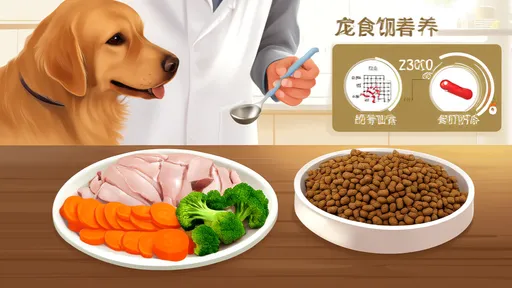
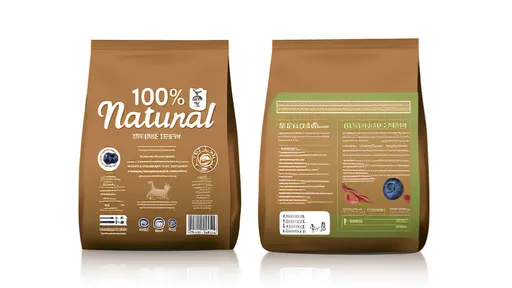
Walking down the pet food aisle can be an overwhelming experience for any pet owner. Rows upon rows of brightly colored bags and cans, each adorned with enticing marketing claims like "premium," "natural," or "grain-free," compete for your attention and your wallet. The true story of what you're feeding your beloved companion, however, isn't found in the bold marketing copy on the front of the bag. It's hidden in the small print on the side or back: the ingredient list and the Guaranteed Analysis. Learning to decipher this information is the single most important skill a pet owner can develop to make an empowered, healthy choice for their animal.
The ingredient list on a pet food label is mandated by regulatory bodies like the AAFCO in the United States to present components in descending order by weight. This means the first few ingredients are the heaviest contributors to the formula. While this seems straightforward, it requires a nuanced understanding. Ingredients are listed by their common names, but weight includes the moisture content. This is a critical point of confusion. Fresh meats, for instance, are heavy because they contain up to 75% water. If a bag lists "chicken" as its first ingredient, that's a significant amount of weight from water. Further down the list, you might find a dried protein source like "chicken meal." While it sounds less appealing, chicken meal is simply chicken with the water and fat removed; it's a concentrated protein source. A food that lists "chicken" first might actually have less total protein by dry matter weight than a food that lists "chicken meal" first but has several other meat meals high on the list. The savvy reader looks for multiple, high-quality protein sources at the top of the list, understanding that the named meat and its meal counterpart together indicate a protein-rich formula.
Beyond the order, the quality and source of the ingredients matter immensely. Look for specific, named protein sources like deboned salmon, lamb meal, or duck. Vague terms like "meat by-products" or "poultry meal" are legal but can come from a less desirable mix of animal parts and are less transparent about their origin. Carbohydrate sources are another area for scrutiny. Whole grains like brown rice, barley, or oats provide valuable energy, fiber, and nutrients. However, the presence of multiple fractions like "brewers rice," "corn gluten meal," and "wheat middlings" can indicate a formula that is built on cheap fillers rather than wholesome, complex carbohydrates. For pets with grain sensitivities, grain-free options use alternatives like potatoes, lentils, or peas, though recent studies have prompted a closer look at the long-term effects of some legume-rich diets. Fats should also come from identifiable sources, such as chicken fat preserved with mixed tocopherols (a form of Vitamin E), rather than generic "animal fat."
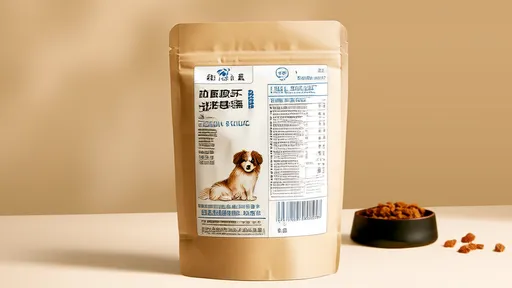
While the ingredient list tells you what is in the food, the Guaranteed Analysis (GA) tells you the nutritional composition. This panel provides minimum or maximum percentages for key nutrients: crude protein, crude fat, crude fiber, and moisture. The term "crude" refers to the method of testing (measuring nitrogen content for protein, for example), not the quality of the nutrient itself. The most significant challenge with the GA is that these percentages are listed on an "as-fed" basis, which includes the variable moisture content of the food. This makes direct comparison between different types of food—like a wet canned food (75% moisture) and a dry kibble (10% moisture)—nearly impossible. A canned food might list a crude protein of 10%, while a dry food lists 25%. At first glance, the kibble seems vastly superior. However, this is a misleading illusion caused by the water weight.
To make a true comparison, you must convert the GA to a Dry Matter Basis (DMB). This simple calculation removes the variable of moisture and allows you to see the true nutrient density of the food. First, find the moisture percentage listed in the GA and subtract it from 100. This gives you the total dry matter percentage. Then, take the nutrient percentage you're interested in (e.g., protein) and divide it by the dry matter percentage. Finally, multiply that result by 100. For example, a canned food with 78% moisture and 10% protein has a dry matter of 22% (100 - 78). Its DMB protein is (10 / 22) * 100 = 45.5%. A dry kibble with 10% moisture and 25% protein has a dry matter of 90%. Its DMB protein is (25 / 90) * 100 = 27.8%. Suddenly, the canned food is revealed to be significantly higher in protein. This mathematical step is non-negotiable for anyone serious about comparing pet foods accurately.
Understanding the GA goes beyond just protein. The minimum crude fat percentage indicates the energy density of the food and is crucial for skin and coat health. The maximum crude fiber shows the indigestible bulk; while necessary for digestive health, very high levels can dilute the overall nutrient content. Some premium foods also guarantee levels of other nutrients like Omega-3 and Omega-6 fatty acids, glucosamine, or probiotics, which can be a sign of a more thoughtfully formulated product aimed at specific health benefits. Always cross-reference these guaranteed levels with the AAFCO nutritional adequacy statement, which confirms the food is formulated to be complete and balanced for a specific life stage (e.g., growth, adult maintenance, all life stages).
Ultimately, the ingredient list and Guaranteed Analysis are two halves of a whole story. The ingredients provide the narrative of quality and sourcing, while the GA provides the hard data on nutritional output. A food with a beautiful ingredient list full of whole meats and organic vegetables but a low protein DMB might not be as premium as it seems. Conversely, a food with a less glamorous list but a stellar, high-protein DMB might be an excellent value and highly nutritious. The most informed choice comes from synthesizing both pieces of information. Look for a named animal protein as the first ingredient, be mindful of moisture content when comparing GA values, and always do the dry matter math. Your pet's vitality, energy levels, and long-term health are directly fueled by what's in their bowl. By becoming literate in the language of pet food labels, you move from being a target of marketing to being a true advocate for your furry family member's well-being.

By /Aug 20, 2025

By /Aug 20, 2025
By /Aug 20, 2025

By /Aug 20, 2025

By /Aug 20, 2025

By /Aug 20, 2025

By /Aug 20, 2025

By /Aug 20, 2025

By /Aug 20, 2025
By /Aug 20, 2025
By /Aug 20, 2025

By /Aug 20, 2025
By /Aug 20, 2025

By /Aug 20, 2025

By /Aug 20, 2025

By /Aug 20, 2025

By /Aug 20, 2025

By /Aug 20, 2025

By /Aug 20, 2025

By /Aug 20, 2025