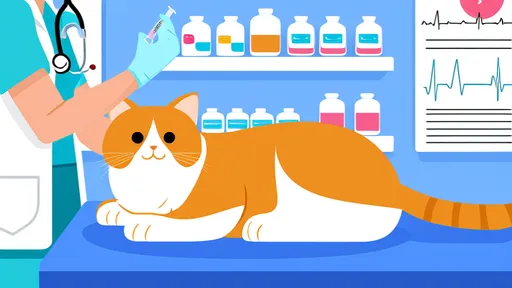
When a beloved pet is diagnosed with pancreatitis, the news can be both frightening and overwhelming for any pet owner. This painful and potentially serious inflammation of the pancreas requires immediate and diligent medical care, but what many guardians don't initially realize is that the road to recovery and long-term management is paved almost entirely by diet. The food in your pet's bowl becomes the most critical medicine, a daily prescription that can prevent painful flare-ups and ensure a high quality of life. Navigating the world of low-fat nutrition for a pet with this condition is not just about picking any "light" or "weight management" food off the shelf; it's a deliberate and science-backed strategy to give the organ the rest it desperately needs to heal and function properly.
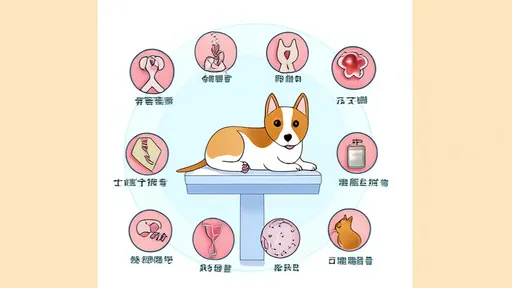
The pancreas is a vital organ with a dual role: producing insulin to regulate blood sugar and secreting digestive enzymes to break down fats, proteins, and carbohydrates. In a healthy state, these enzymes are safely transported to the small intestine to do their job. Pancreatitis occurs when these powerful enzymes are activated prematurely within the organ itself, essentially beginning the process of digestion from the inside out. This leads to intense inflammation, severe pain, and can cause damage to the pancreas and surrounding organs. The triggers can be varied, ranging from a sudden, rich, high-fat meal to certain medications or underlying metabolic conditions, but the result is the same: a struggling organ that needs a major break from its workload, particularly from processing dietary fats.
This is where the therapeutic power of a meticulously formulated low-fat diet comes into play. The primary goal is to drastically reduce the dietary fat that stimulates the pancreas to secrete its digestive enzymes. By minimizing this stimulation, we allow the inflamed organ to enter a state of relative rest, which is the cornerstone of healing. It's not merely about feeding less fat; it's about providing a complete and balanced nutritional profile that supports overall health without overtaxing the compromised system. This involves a careful balance of highly digestible proteins to maintain muscle mass without excess fat, complex carbohydrates for sustainable energy, and essential fatty acids in precise, minimal amounts to support skin, coat, and cellular health without triggering an inflammatory response.
Understanding what "low-fat" truly means in this clinical context is the first step for any pet owner. This is not a subjective term but a specific nutritional benchmark. For canine patients, a truly therapeutic low-fat diet typically contains less than 10% fat on a dry matter basis. For our feline companions, who are obligate carnivores and naturally tolerate more fat, the threshold is slightly higher but still restricted, often aiming for less than 15-20% fat on a dry matter basis. It is absolutely crucial to look beyond the marketing on the bag and scrutinize the guaranteed analysis, often with the guidance of a veterinarian or a veterinary nutritionist, to ensure the formula meets these stringent criteria. Many over-the-counter "weight control" foods may still be far too rich for a pancreas in recovery.
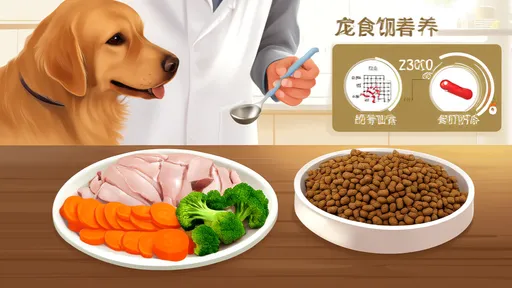
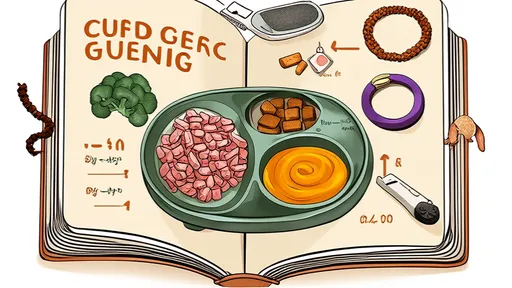
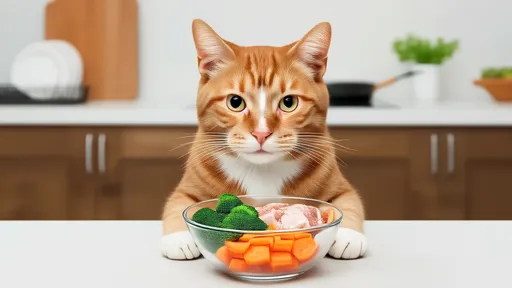
The composition of this specialized diet is a delicate science. The protein source must be high-quality and highly digestible to ensure the body can utilize it efficiently with minimal waste. Think lean meats like skinless chicken or turkey, white fish, or even novel proteins like venison or rabbit in some prescription formulas. The carbohydrates are selected for their gentle nature and easy digestion; options like cooked oatmeal, barley, quinoa, or canned pumpkin provide energy and fiber without spiking blood sugar excessively. The minimal fat content is often derived from sources rich in Omega-3 fatty acids, such as fish oil, which not only provide essential nutrients but also possess natural anti-inflammatory properties that can further aid in calming the systemic inflammation associated with pancreatitis.
Transitioning a pet to this new way of eating requires immense patience and care. Their digestive system is fragile, and any sudden change can itself be a trigger. The move to the new low-fat food must be painstakingly gradual, often over a period of 7 to 10 days or even longer for particularly sensitive animals. Start by mixing a small amount of the new food with their current diet, slowly increasing the proportion of the new while decreasing the old. Throughout this process, vigilant observation is key. Any signs of regression—such as loss of appetite, vomiting, diarrhea, or obvious abdominal discomfort—are signals to pause the transition and immediately consult your veterinarian. This is a marathon, not a sprint, and the pace must be set by the pet's individual tolerance.
Beyond the kibble or canned food, treats pose a significant hidden danger. That innocent piece of cheese, a scrap of bacon, or a commercial treat high in fat can undo weeks of careful dietary management in an instant. Treats must be either eliminated entirely or strictly limited to options that align with the low-fat protocol. Safe alternatives can include small pieces of fresh vegetables like green beans, broccoli florets, or baby carrots (cooked to soften for easier digestion), or even a single piece of their prescribed low-fat kibble reserved from their meal portion. This discipline extends to preventing access to other pets' food, scavenging during walks, and counter-surfing, making management a whole-household effort.
The journey with a pet diagnosed with pancreatitis is undoubtedly a challenging one, marked by a new level of vigilance and commitment. It transforms mealtime from a simple routine into a calculated act of healing. However, the reward for this dedication is immense: the opportunity to see your furry family member return to their playful, comfortable, and happy self. By embracing a scientifically-formulated low-fat diet as the cornerstone of treatment, pet owners become empowered partners in their animal's health, providing not just sustenance, but the very foundation for a longer, brighter, and pain-free life together. This nutritional management, while demanding, is the greatest gift of care you can provide, turning every meal into a step toward wellness.

By /Aug 20, 2025
By /Aug 20, 2025
By /Aug 20, 2025

By /Aug 20, 2025

By /Aug 20, 2025

By /Aug 20, 2025
By /Aug 20, 2025

By /Aug 20, 2025
By /Aug 20, 2025
By /Aug 20, 2025
By /Aug 20, 2025

By /Aug 20, 2025
By /Aug 20, 2025

By /Aug 20, 2025

By /Aug 20, 2025

By /Aug 20, 2025
By /Aug 20, 2025

By /Aug 20, 2025

By /Aug 20, 2025

By /Aug 20, 2025