As pet owners, we've all experienced that sinking feeling upon returning home to find our cherished belongings chewed, shredded, or otherwise destroyed by our furry companions. The aftermath of such incidents often leaves us frustrated, questioning why our pets engage in destructive behavior when left alone. The truth is, this destructive tendency stems from a place of anxiety, boredom, or a lack of proper training, not malice. Addressing this requires a thoughtful, compassionate approach centered on a process known as desensitization training.
Desensitization training is a gradual, systematic method of helping your pet become comfortable with being alone. The core principle is to slowly and positively expose them to the triggers of their anxiety—your departure cues and the subsequent solitude—in a controlled manner that never pushes them past their threshold of comfort. This is not a quick fix but a fundamental rewiring of their emotional response to isolation, building their confidence and creating a positive association with alone time.
The journey begins long before you ever walk out the door. It starts with keen observation. For a week, become a detective of your own routine. Pay meticulous attention to everything you do in the minutes leading up to a departure. Do you jingle your keys? Put on a specific pair of shoes? Pick up your bag or briefcase? Apply perfume or cologne? These seemingly insignificant actions are powerful triggers for your pet. They form a chain of events that scream, "My human is leaving!" and can launch their anxiety into overdrive before you've even stepped outside.
Once you have identified these cues, the next phase involves dismantling their predictive power. This means performing these actions randomly throughout the day without actually leaving. Pick up your keys and then go sit on the couch to watch television. Put on your outdoor shoes and then start washing the dishes. Grab your purse and walk into the kitchen to make a snack. The goal is to break the mental connection between the cue and the action of departure. After repeated, non-eventful exposures, your pet will learn that the jingle of keys does not automatically mean hours of lonely distress. The cue becomes neutral, losing its ability to induce panic.
With the triggers neutralized, you can begin to simulate very short departures. This step requires immense patience and must be executed at a pace your pet can handle. Start by simply walking to the door, touching the handle, and then immediately returning to reward your pet with a calm praise or a small treat while they are still relaxed. The timing of the reward is critical; it must be delivered while they are exhibiting calm behavior, not after they have started to whine or become anxious.
Gradually increase the challenge. Open the door, step outside, and step right back in. Then, step outside and close the door for a single second before re-entering. The increments are painstakingly small—five seconds, ten seconds, thirty seconds. The moment you re-enter, your demeanor is crucial. Keep your greetings and returns incredibly low-key and boring. A simple, quiet "hello" is sufficient. Dramatic, excited hellos, while well-intentioned, can create a rollercoaster of emotions that reinforces the intensity of your return as a massive event, thereby highlighting the negativity of your absence.
During these brief absences, it is vital to provide your pet with a powerful distraction—a super high-value item that they only get when you are practicing these departures. This could be a Kong toy stuffed with frozen peanut butter, a puzzle feeder filled with their favorite treats, or a long-lasting chew. This special item serves a dual purpose: it creates a positive association with your departure ("Yay, they left, I get my amazing chew!") and occupies their mind, preventing them from fixating on your absence. The distraction should be engaging enough to last the entire duration of your practice session.
As your pet successfully tolerates these micro-absences without showing signs of stress—such as panting, drooling, pacing, whining, or destroying the distraction item—you can methodically extend the duration. Move from one minute to two, then five, then ten. There is no universal timeline; some pets may progress quickly to thirty minutes, while others may need weeks to comfortably reach five minutes. The key is to watch your pet, not the clock. If you return to find signs of anxiety or a destroyed toy, you have moved too fast. The next session should be shorter and easier.
Consistency in your routine is another cornerstone of success. Pets thrive on predictability. Creating a consistent pre-departure ritual that is always calm can signal to your pet that what follows is a normal, non-threatening event. This might involve giving them their special toy, saying a specific, calm phrase like "be back soon," and then leaving without fanfare. This ritualistic consistency provides a framework of security.
It is also essential to ensure your pet's fundamental needs are met before any alone time. A dog with pent-up energy is far more likely to channel that energy into destructive chewing. A robust session of physical exercise, like a long walk or a game of fetch, combined with mental stimulation through training exercises or nose work, can work wonders. A physically tired and mentally satisfied pet is much more inclined to rest peacefully than to seek out mischief.
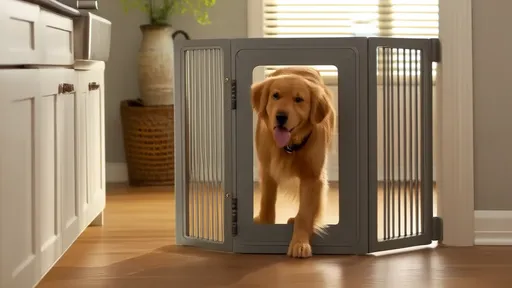
For some pets, particularly those with severe separation anxiety, the desensitization process may need to be supplemented with environmental adjustments. Leaving on a television or radio tuned to a calm talk station can provide comforting background noise that masks unsettling outside sounds. Using a plug-in diffuser that releases synthetic dog-appeasing pheromones can create a calming atmosphere. For others, confining them to a smaller, safe space like a crate or a puppy-proofed room can reduce their anxiety by making their environment more den-like and manageable, rather than giving them free reign over a large, overwhelming space.
Throughout this entire process, it is paramount to remember what not to do. Never punish your pet for destruction discovered after the fact. They cannot connect your anger with an action they performed hours ago; they will only associate your return with punishment, which will exponentially increase their anxiety about you leaving again. Punishment is not only ineffective but is also deeply damaging to your relationship and their emotional state. The path forward is built on positive reinforcement, patience, and understanding, not fear.
Success in desensitization training is a marathon, not a sprint. It demands a significant investment of time and unwavering patience. There will be setbacks and days where progress seems to reverse itself. This is normal. The goal is not perfection but gradual improvement. Celebrating the small victories—a calm thirty-second departure, a happily occupied pup on the pet camera—is what will sustain you through the process. The ultimate reward is a profound peace of mind, knowing that your pet is content and secure in your absence, and the preservation of your home and your special bond.

By /Aug 20, 2025

By /Aug 20, 2025

By /Aug 20, 2025

By /Aug 20, 2025
By /Aug 20, 2025

By /Aug 20, 2025
By /Aug 20, 2025

By /Aug 20, 2025

By /Aug 20, 2025

By /Aug 20, 2025

By /Aug 20, 2025
By /Aug 20, 2025
By /Aug 20, 2025

By /Aug 20, 2025

By /Aug 20, 2025

By /Aug 20, 2025

By /Aug 20, 2025

By /Aug 20, 2025

By /Aug 20, 2025
By /Aug 20, 2025