In the realm of veterinary medicine, the management of cardiac conditions in companion animals has evolved significantly, with pharmacological interventions playing a central role in extending both the quality and duration of life for affected pets. The administration of heart medications, while life-saving, requires meticulous attention to dosing protocols, individual patient response, and the vigilant monitoring of potential adverse effects. This complex interplay between therapeutic benefit and risk underscores the necessity for pet owners and veterinarians to maintain a collaborative, informed approach throughout the treatment journey.
The cornerstone of treating canine and feline heart disease often involves a multi-drug regimen tailored to the specific pathophysiology of the condition, whether it be degenerative valve disease, dilated cardiomyopathy, or hypertrophic cardiomyopathy. Diuretics like furosemide are frequently employed to reduce fluid overload, easing the burden on the compromised heart. ACE inhibitors such as enalapril or benazepril work by dilating blood vessels, thereby lowering blood pressure and improving cardiac output. For patients with arrhythmias, medications like sotalol or atenolol help regulate heart rhythm, while pimobendan has become a gold standard for its unique ability to both strengthen the heart's contractions and dilate vessels. Each of these drug classes operates on a different mechanism, and their synergistic use aims to stabilize the patient and slow disease progression.
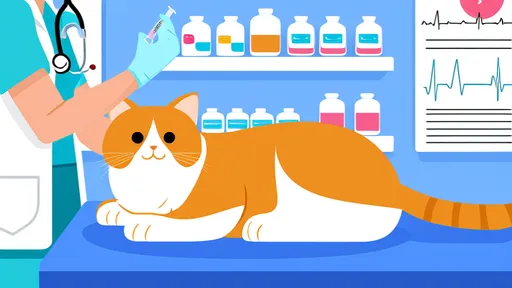
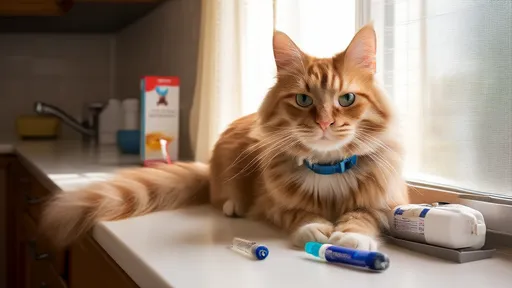
Administering these powerful compounds is a task that demands precision and consistency. The prescribed dosage is calculated based on a multitude of factors, including the animal's species, breed, weight, stage of disease, and renal function. Even slight deviations can tip the scale from efficacy to toxicity. For pet owners, this translates to a strict adherence to the prescribed schedule. Crushing tablets and mixing them with a strong-smelling, palatable food can aid in compliance for finicky patients, though it is crucial to first confirm with a veterinarian that this will not alter the drug's absorption. Some medications must be given on an empty stomach for optimal effect, while others are better tolerated with food to mitigate gastrointestinal upset. The method of administration is not merely a logistical detail; it is intrinsically linked to the drug's pharmacokinetics and ultimate success.
Perhaps the most critical aspect of long-term cardiac care is the astute observation for signs of adverse reactions. The very mechanisms that make these drugs therapeutic can also lead to unintended consequences. Diuretics, while essential for controlling pulmonary edema and ascites, can precipitate dehydration and electrolyte imbalances—most notably dangerous drops in potassium levels. Owners must be educated to watch for signs of excessive thirst, weakness, or lethargy, which could signal such an imbalance. ACE inhibitors, though generally well-tolerated, can sometimes cause hypotension, manifesting as dizziness or collapse, or may impair kidney function, necessitating regular bloodwork to monitor renal values.
Beta-blockers pose their own set of challenges. By slowing the heart rate, they can sometimes lead to excessive bradycardia or worsen heart failure symptoms if not carefully titrated. A pet becoming more lethargic or exercise-intolerant after starting such medication requires immediate veterinary attention. Pimobendan, despite its excellent safety profile, can occasionally cause gastrointestinal issues like vomiting or diarrhea. Furthermore, the presence of underlying conditions can complicate a pet's response to therapy. A dog with pre-existing kidney disease is at a higher risk for complications from ACE inhibitors, while a cat with asthma might not be a candidate for certain beta-blockers. This highlights why a thorough initial workup and ongoing diagnostic monitoring are non-negotiable components of responsible treatment.
Beyond the physical act of pill-giving, successful management is rooted in a partnership built on communication and observation. Pet owners become the veterinarians' eyes and ears at home, tasked with noting subtle changes that might escape detection during a brief clinical exam. Tracking a pet's resting respiratory rate is a powerful, non-invasive tool for gauging fluid status in animals with congestive heart failure. A consistent increase can be an early warning sign of worsening disease, prompting a timely adjustment in diuretic dosage before a crisis occurs. Similarly, monitoring appetite, energy levels, and cough frequency provides a daily report card on the treatment's effectiveness. Keeping a simple journal can be invaluable for spotting trends and providing concrete data during veterinary consultations.
The emotional dimension of caring for a pet with a chronic illness cannot be overlooked. The responsibility of managing a complex medication schedule and the anxiety of watching for side effects can be overwhelming for an owner. Open dialogue with the veterinary team is essential for addressing concerns, troubleshooting administration difficulties, and adjusting the plan when necessary. Treatment is not a static protocol but a dynamic process that adapts to the pet's changing needs. In some cases, the goal may shift from curative intent to palliative care, focusing squarely on maximizing comfort and quality of life. This holistic view of treatment—encompassing the drug, the patient, and the human-animal bond—is what defines modern veterinary cardiology.
In conclusion, the pharmacological management of cardiac disease in pets is a sophisticated and deeply personalized endeavor. It hinges on the precise science of drug mechanisms and the nuanced art of clinical observation. While the arsenal of available medications provides powerful tools to combat heart failure, their potential for side effects mandates a proactive and educated approach. Through a committed partnership between veterinarians and pet owners, fueled by careful monitoring and open communication, our beloved animal companions can enjoy more comfortable and vibrant lives despite their diagnoses. The journey is complex, but the reward—more quality time with a cherished family member—is immeasurable.

By /Aug 20, 2025
By /Aug 20, 2025
By /Aug 20, 2025

By /Aug 20, 2025

By /Aug 20, 2025

By /Aug 20, 2025
By /Aug 20, 2025

By /Aug 20, 2025

By /Aug 20, 2025

By /Aug 20, 2025

By /Aug 20, 2025

By /Aug 20, 2025
By /Aug 20, 2025

By /Aug 20, 2025

By /Aug 20, 2025

By /Aug 20, 2025

By /Aug 20, 2025

By /Aug 20, 2025

By /Aug 20, 2025

By /Aug 20, 2025